How to Prepare for Your Travel Vaccines

Expert Care, Everyday Convenience — NHS and Private Services Tailored to Your Health, Travel, and Urgent Needs.

Frame 427320848

Planning an international trip is exciting, whether you’re travelling for a holiday, business, study, or pilgrimage. However, before you book your flights and pack your bags, it’s important to protect your health with the right travel vaccinations.

Travel vaccines help safeguard you against diseases that may be common in your destination but rare in the UK. Proper preparation can reduce health risks, prevent travel disruptions, and give you peace of mind throughout your journey.

This guide explains everything you need to know about preparing for travel vaccinations before travelling abroad.

Why Are Travel Vaccines Important?

Travel vaccines protect you from potentially serious infectious diseases that may be present in certain countries and regions.

Benefits of Travel Vaccinations

Travel vaccines can help:

  • Protect against illnesses such as Yellow Fever, Hepatitis A, Typhoid, Rabies, and Japanese Encephalitis
  • Reduce the risk of bringing infections back to the UK
  • Protect vulnerable people you may come into contact with
  • Meet international entry requirements for specific destinations

Some countries require proof of vaccination before allowing travellers to enter, making travel vaccines an essential part of trip planning.

When Should You Book Travel Vaccinations?

One of the most common questions travellers ask is:

How Far in Advance Should I Get Travel Vaccines?

Healthcare professionals generally recommend booking a travel vaccination consultation at least 6 to 8 weeks before departure.

This allows time for:

  • Your immune system to build protection
  • Multiple-dose vaccine schedules to be completed
  • Additional consultations if required
  • Vaccine availability if demand is high

If your departure date is approaching, it’s still worth seeking professional advice, as some protection is better than none.

Step 1: Check Travel Vaccine Requirements for Your Destination

Different countries present different health risks. The vaccines you need will depend on your destination, travel style, and planned activities.

Before travelling, check:

  • Official UK travel health guidance

  • Destination-specific vaccination recommendations

  • Entry requirements for your chosen country

  • Local disease outbreaks and health alerts

A travel health specialist can provide personalised recommendations based on your itinerary.

Step 2: Book a Travel Health Consultation

A travel vaccination appointment is about more than simply receiving injections.

During your consultation, you’ll discuss:

  • Countries you plan to visit
  • Length of stay
  • Accommodation type
  • Rural or urban travel plans
  • Adventure activities
  • Medical history and existing conditions

This information helps healthcare professionals recommend the most appropriate vaccines and preventative measures for your trip.

Step 3: Bring Your Vaccination History

Providing your vaccination records helps avoid unnecessary repeat vaccinations and ensures you receive the correct protection.

Bring details of:

  • Previous travel vaccines
  • Childhood immunisations
  • NHS vaccination records
  • Any recent vaccinations

Accurate records allow healthcare providers to create a complete travel health plan.

Step 4: Make Sure Routine Vaccinations Are Up to Date

Many travellers focus on destination-specific vaccines and forget routine immunisations.

Before travelling abroad, check that you’re protected against:

  • Tetanus
  • Diphtheria
  • Polio
  • Measles
  • Mumps
  • Rubella

These diseases still occur in many parts of the world and can pose serious health risks.

Step 5: Understand Possible Vaccine Side Effects

Travel vaccines are extensively tested and considered very safe. However, mild side effects can occasionally occur.

Common side effects include:

  • Tenderness or redness at the injection site
  • Mild fever
  • Fatigue
  • Headache
  • Muscle aches

These symptoms are usually short-lived and resolve within a few days.

Booking your vaccination appointment well before your departure date allows time for any minor side effects to pass comfortably.

Step 6: Keep Your Vaccination Documents Safe

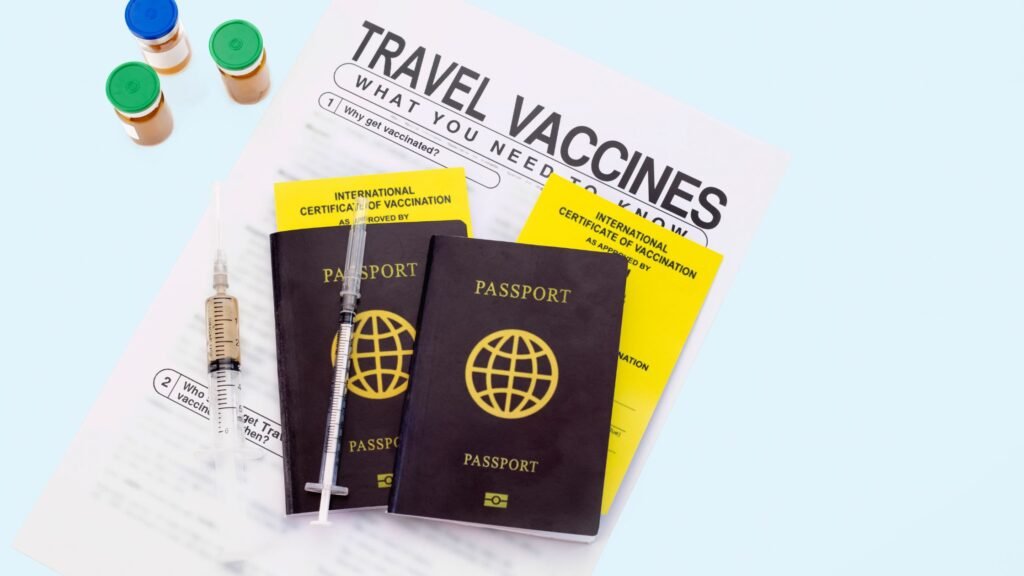
Certain destinations require official proof of vaccination.

For example, some countries require evidence of Yellow Fever vaccination before entry.

To stay prepared:

  • Keep vaccination certificates with your passport
  • Save digital copies on your phone
  • Store backup copies securely online
  • Carry documentation during transit and border checks

Having easy access to your records can help avoid delays during travel.

Additional Travel Health Tips

Alongside travel vaccinations, consider other important health precautions:

Stay Hydrated

Drink plenty of water before and after your vaccination appointment.

Wear Suitable Clothing

Short sleeves or loose-fitting clothing can make vaccinations more comfortable.

Discuss Medical Conditions

Inform your healthcare provider if you:

  • Are pregnant
  • Have allergies
  • Take regular medications
  • Have a weakened immune system

Ask About Malaria Prevention

If you’re visiting a malaria-risk region, your healthcare professional may recommend antimalarial medication and mosquito bite prevention measures.

Frequently Asked Questions About Travel Vaccines

Do I Need Travel Vaccines for Every Country?

No. Vaccine recommendations vary depending on your destination, travel plans, and personal health history.

Can I Get Travel Vaccines at Short Notice?

Yes. Even if you’re travelling soon, a travel health consultation can help identify important vaccinations and preventative measures.

Are Travel Vaccines Mandatory?

Some vaccines are required for entry into certain countries, while others are strongly recommended for health protection.

What Is the Most Common Travel Vaccine?

Common travel vaccines include Hepatitis A, Typhoid, Tetanus boosters, and Yellow Fever, depending on the destination.

Conclusion

Preparing for travel vaccinations should be one of the first items on your travel checklist. Early planning allows enough time for protection to develop, ensures compliance with international entry requirements, and helps you travel confidently.

Whether you’re heading abroad for leisure, business, study, or a religious pilgrimage, investing in travel health preparation today can help prevent serious health issues tomorrow.

Book your travel vaccination consultation early and enjoy a safer, healthier journey wherever your travels take you.


Planning an international trip is exciting, whether you’re travelling for a holiday, business, study, or pilgrimage. However, before you book your flights and pack your bags, it’s important to protect your health with the right travel vaccinations.

Travel vaccines help safeguard you against diseases that may be common in your destination but rare in the UK. Proper preparation can reduce health risks, prevent travel disruptions, and give you peace of mind throughout your journey.

This guide explains everything you need to know about preparing for travel vaccinations before travelling abroad.

Why Are Travel Vaccines Important?

Travel vaccines protect you from potentially serious infectious diseases that may be present in certain countries and regions.

Benefits of Travel Vaccinations

Travel vaccines can help:

  • Protect against illnesses such as Yellow Fever, Hepatitis A, Typhoid, Rabies, and Japanese Encephalitis
  • Reduce the risk of bringing infections back to the UK
  • Protect vulnerable people you may come into contact with
  • Meet international entry requirements for specific destinations

Some countries require proof of vaccination before allowing travellers to enter, making travel vaccines an essential part of trip planning.

When Should You Book Travel Vaccinations?

One of the most common questions travellers ask is:

How Far in Advance Should I Get Travel Vaccines?

Healthcare professionals generally recommend booking a travel vaccination consultation at least 6 to 8 weeks before departure.

This allows time for:

  • Your immune system to build protection
  • Multiple-dose vaccine schedules to be completed
  • Additional consultations if required
  • Vaccine availability if demand is high

If your departure date is approaching, it’s still worth seeking professional advice, as some protection is better than none.

Step 1: Check Travel Vaccine Requirements for Your Destination

Different countries present different health risks. The vaccines you need will depend on your destination, travel style, and planned activities.

Before travelling, check:

  • Official UK travel health guidance

  • Destination-specific vaccination recommendations

  • Entry requirements for your chosen country

  • Local disease outbreaks and health alerts

A travel health specialist can provide personalised recommendations based on your itinerary.

Step 2: Book a Travel Health Consultation

A travel vaccination appointment is about more than simply receiving injections.

During your consultation, you’ll discuss:

  • Countries you plan to visit
  • Length of stay
  • Accommodation type
  • Rural or urban travel plans
  • Adventure activities
  • Medical history and existing conditions

This information helps healthcare professionals recommend the most appropriate vaccines and preventative measures for your trip.

Step 3: Bring Your Vaccination History

Providing your vaccination records helps avoid unnecessary repeat vaccinations and ensures you receive the correct protection.

Bring details of:

  • Previous travel vaccines
  • Childhood immunisations
  • NHS vaccination records
  • Any recent vaccinations

Accurate records allow healthcare providers to create a complete travel health plan.

Step 4: Make Sure Routine Vaccinations Are Up to Date

Many travellers focus on destination-specific vaccines and forget routine immunisations.

Before travelling abroad, check that you’re protected against:

  • Tetanus
  • Diphtheria
  • Polio
  • Measles
  • Mumps
  • Rubella

These diseases still occur in many parts of the world and can pose serious health risks.

Step 5: Understand Possible Vaccine Side Effects

Travel vaccines are extensively tested and considered very safe. However, mild side effects can occasionally occur.

Common side effects include:

  • Tenderness or redness at the injection site
  • Mild fever
  • Fatigue
  • Headache
  • Muscle aches

These symptoms are usually short-lived and resolve within a few days.

Booking your vaccination appointment well before your departure date allows time for any minor side effects to pass comfortably.

Step 6: Keep Your Vaccination Documents Safe

Certain destinations require official proof of vaccination.

For example, some countries require evidence of Yellow Fever vaccination before entry.

To stay prepared:

  • Keep vaccination certificates with your passport
  • Save digital copies on your phone
  • Store backup copies securely online
  • Carry documentation during transit and border checks

Having easy access to your records can help avoid delays during travel.

Additional Travel Health Tips

Alongside travel vaccinations, consider other important health precautions:

Stay Hydrated

Drink plenty of water before and after your vaccination appointment.

Wear Suitable Clothing

Short sleeves or loose-fitting clothing can make vaccinations more comfortable.

Discuss Medical Conditions

Inform your healthcare provider if you:

  • Are pregnant
  • Have allergies
  • Take regular medications
  • Have a weakened immune system

Ask About Malaria Prevention

If you’re visiting a malaria-risk region, your healthcare professional may recommend antimalarial medication and mosquito bite prevention measures.

Frequently Asked Questions About Travel Vaccines

Do I Need Travel Vaccines for Every Country?

No. Vaccine recommendations vary depending on your destination, travel plans, and personal health history.

Can I Get Travel Vaccines at Short Notice?

Yes. Even if you’re travelling soon, a travel health consultation can help identify important vaccinations and preventative measures.

Are Travel Vaccines Mandatory?

Some vaccines are required for entry into certain countries, while others are strongly recommended for health protection.

What Is the Most Common Travel Vaccine?

Common travel vaccines include Hepatitis A, Typhoid, Tetanus boosters, and Yellow Fever, depending on the destination.

Conclusion

Preparing for travel vaccinations should be one of the first items on your travel checklist. Early planning allows enough time for protection to develop, ensures compliance with international entry requirements, and helps you travel confidently.

Whether you’re heading abroad for leisure, business, study, or a religious pilgrimage, investing in travel health preparation today can help prevent serious health issues tomorrow.

Book your travel vaccination consultation early and enjoy a safer, healthier journey wherever your travels take you.
Planning an international trip is exciting, whether you’re travelling for a holiday, business, study, or pilgrimage. However, before you book your flights and pack your bags, it’s important to protect your health with the right travel vaccinations.

Travel vaccines help safeguard you against diseases that may be common in your destination but rare in the UK. Proper preparation can reduce health risks, prevent travel disruptions, and give you peace of mind throughout your journey.

This guide explains everything you need to know about preparing for travel vaccinations before travelling abroad.

Why Are Travel Vaccines Important?

Travel vaccines protect you from potentially serious infectious diseases that may be present in certain countries and regions.

Benefits of Travel Vaccinations

Travel vaccines can help:

Some countries require proof of vaccination before allowing travellers to enter, making travel vaccines an essential part of trip planning.

When Should You Book Travel Vaccinations?

One of the most common questions travellers ask is:

How Far in Advance Should I Get Travel Vaccines?

Healthcare professionals generally recommend booking a travel vaccination consultation at least 6 to 8 weeks before departure.

This allows time for:

If your departure date is approaching, it’s still worth seeking professional advice, as some protection is better than none.

Step 1: Check Travel Vaccine Requirements for Your Destination

Different countries present different health risks. The vaccines you need will depend on your destination, travel style, and planned activities.

Before travelling, check:

A travel health specialist can provide personalised recommendations based on your itinerary.

Step 2: Book a Travel Health Consultation

A travel vaccination appointment is about more than simply receiving injections.

During your consultation, you’ll discuss:

This information helps healthcare professionals recommend the most appropriate vaccines and preventative measures for your trip.

Step 3: Bring Your Vaccination History

Providing your vaccination records helps avoid unnecessary repeat vaccinations and ensures you receive the correct protection.

Bring details of:

Accurate records allow healthcare providers to create a complete travel health plan.

Step 4: Make Sure Routine Vaccinations Are Up to Date

Many travellers focus on destination-specific vaccines and forget routine immunisations.

Before travelling abroad, check that you’re protected against:

These diseases still occur in many parts of the world and can pose serious health risks.

Step 5: Understand Possible Vaccine Side Effects

Travel vaccines are extensively tested and considered very safe. However, mild side effects can occasionally occur.

Common side effects include:

These symptoms are usually short-lived and resolve within a few days.

Booking your vaccination appointment well before your departure date allows time for any minor side effects to pass comfortably.

Step 6: Keep Your Vaccination Documents Safe

Certain destinations require official proof of vaccination.

For example, some countries require evidence of Yellow Fever vaccination before entry.

To stay prepared:

Having easy access to your records can help avoid delays during travel.

Additional Travel Health Tips

Alongside travel vaccinations, consider other important health precautions:

Stay Hydrated

Drink plenty of water before and after your vaccination appointment.

Wear Suitable Clothing

Short sleeves or loose-fitting clothing can make vaccinations more comfortable.

Discuss Medical Conditions

Inform your healthcare provider if you:

Ask About Malaria Prevention

If you’re visiting a malaria-risk region, your healthcare professional may recommend antimalarial medication and mosquito bite prevention measures.

Frequently Asked Questions About Travel Vaccines

Do I Need Travel Vaccines for Every Country?

No. Vaccine recommendations vary depending on your destination, travel plans, and personal health history.

Can I Get Travel Vaccines at Short Notice?

Yes. Even if you’re travelling soon, a travel health consultation can help identify important vaccinations and preventative measures.

Are Travel Vaccines Mandatory?

Some vaccines are required for entry into certain countries, while others are strongly recommended for health protection.

What Is the Most Common Travel Vaccine?

Common travel vaccines include Hepatitis A, Typhoid, Tetanus boosters, and Yellow Fever, depending on the destination.

Conclusion

Preparing for travel vaccinations should be one of the first items on your travel checklist. Early planning allows enough time for protection to develop, ensures compliance with international entry requirements, and helps you travel confidently.

Whether you’re heading abroad for leisure, business, study, or a religious pilgrimage, investing in travel health preparation today can help prevent serious health issues tomorrow.

Book your travel vaccination consultation early and enjoy a safer, healthier journey wherever your travels take you.

Planning an international trip is exciting, whether you’re travelling for a holiday, business, study, or pilgrimage. However, before you book your flights and pack your bags, it’s important to protect your health with the right travel vaccinations.

Travel vaccines help safeguard you against diseases that may be common in your destination but rare in the UK. Proper preparation can reduce health risks, prevent travel disruptions, and give you peace of mind throughout your journey.

This guide explains everything you need to know about preparing for travel vaccinations before travelling abroad.

Why Are Travel Vaccines Important?

Travel vaccines protect you from potentially serious infectious diseases that may be present in certain countries and regions.

Benefits of Travel Vaccinations

Travel vaccines can help:

  • Protect against illnesses such as Yellow Fever, Hepatitis A, Typhoid, Rabies, and Japanese Encephalitis
  • Reduce the risk of bringing infections back to the UK
  • Protect vulnerable people you may come into contact with
  • Meet international entry requirements for specific destinations

Some countries require proof of vaccination before allowing travellers to enter, making travel vaccines an essential part of trip planning.

When Should You Book Travel Vaccinations?

One of the most common questions travellers ask is:

How Far in Advance Should I Get Travel Vaccines?

Healthcare professionals generally recommend booking a travel vaccination consultation at least 6 to 8 weeks before departure.

This allows time for:

  • Your immune system to build protection
  • Multiple-dose vaccine schedules to be completed
  • Additional consultations if required
  • Vaccine availability if demand is high

If your departure date is approaching, it’s still worth seeking professional advice, as some protection is better than none.

Step 1: Check Travel Vaccine Requirements for Your Destination

Different countries present different health risks. The vaccines you need will depend on your destination, travel style, and planned activities.

Before travelling, check:

  • Official UK travel health guidance

  • Destination-specific vaccination recommendations

  • Entry requirements for your chosen country

  • Local disease outbreaks and health alerts

A travel health specialist can provide personalised recommendations based on your itinerary.

Step 2: Book a Travel Health Consultation

A travel vaccination appointment is about more than simply receiving injections.

During your consultation, you’ll discuss:

  • Countries you plan to visit
  • Length of stay
  • Accommodation type
  • Rural or urban travel plans
  • Adventure activities
  • Medical history and existing conditions

This information helps healthcare professionals recommend the most appropriate vaccines and preventative measures for your trip.

Step 3: Bring Your Vaccination History

Providing your vaccination records helps avoid unnecessary repeat vaccinations and ensures you receive the correct protection.

Bring details of:

  • Previous travel vaccines
  • Childhood immunisations
  • NHS vaccination records
  • Any recent vaccinations

Accurate records allow healthcare providers to create a complete travel health plan.

Step 4: Make Sure Routine Vaccinations Are Up to Date

Many travellers focus on destination-specific vaccines and forget routine immunisations.

Before travelling abroad, check that you’re protected against:

  • Tetanus
  • Diphtheria
  • Polio
  • Measles
  • Mumps
  • Rubella

These diseases still occur in many parts of the world and can pose serious health risks.

Step 5: Understand Possible Vaccine Side Effects

Travel vaccines are extensively tested and considered very safe. However, mild side effects can occasionally occur.

Common side effects include:

  • Tenderness or redness at the injection site
  • Mild fever
  • Fatigue
  • Headache
  • Muscle aches

These symptoms are usually short-lived and resolve within a few days.

Booking your vaccination appointment well before your departure date allows time for any minor side effects to pass comfortably.

Step 6: Keep Your Vaccination Documents Safe

Certain destinations require official proof of vaccination.

For example, some countries require evidence of Yellow Fever vaccination before entry.

To stay prepared:

  • Keep vaccination certificates with your passport
  • Save digital copies on your phone
  • Store backup copies securely online
  • Carry documentation during transit and border checks

Having easy access to your records can help avoid delays during travel.

Additional Travel Health Tips

Alongside travel vaccinations, consider other important health precautions:

Stay Hydrated

Drink plenty of water before and after your vaccination appointment.

Wear Suitable Clothing

Short sleeves or loose-fitting clothing can make vaccinations more comfortable.

Discuss Medical Conditions

Inform your healthcare provider if you:

  • Are pregnant
  • Have allergies
  • Take regular medications
  • Have a weakened immune system

Ask About Malaria Prevention

If you’re visiting a malaria-risk region, your healthcare professional may recommend antimalarial medication and mosquito bite prevention measures.

Frequently Asked Questions About Travel Vaccines

Do I Need Travel Vaccines for Every Country?

No. Vaccine recommendations vary depending on your destination, travel plans, and personal health history.

Can I Get Travel Vaccines at Short Notice?

Yes. Even if you’re travelling soon, a travel health consultation can help identify important vaccinations and preventative measures.

Are Travel Vaccines Mandatory?

Some vaccines are required for entry into certain countries, while others are strongly recommended for health protection.

What Is the Most Common Travel Vaccine?

Common travel vaccines include Hepatitis A, Typhoid, Tetanus boosters, and Yellow Fever, depending on the destination.

Conclusion

Preparing for travel vaccinations should be one of the first items on your travel checklist. Early planning allows enough time for protection to develop, ensures compliance with international entry requirements, and helps you travel confidently.

Whether you’re heading abroad for leisure, business, study, or a religious pilgrimage, investing in travel health preparation today can help prevent serious health issues tomorrow.

Book your travel vaccination consultation early and enjoy a safer, healthier journey wherever your travels take you.

Planning an international trip is exciting, whether you’re travelling for a holiday, business, study, or pilgrimage. However, before you book your flights and pack your bags, it’s important to protect your health with the right travel vaccinations.

Travel vaccines help safeguard you against diseases that may be common in your destination but rare in the UK. Proper preparation can reduce health risks, prevent travel disruptions, and give you peace of mind throughout your journey.

This guide explains everything you need to know about preparing for travel vaccinations before travelling abroad.

Why Are Travel Vaccines Important?

Travel vaccines protect you from potentially serious infectious diseases that may be present in certain countries and regions.

Benefits of Travel Vaccinations

Travel vaccines can help:

  • Protect against illnesses such as Yellow Fever, Hepatitis A, Typhoid, Rabies, and Japanese Encephalitis
  • Reduce the risk of bringing infections back to the UK
  • Protect vulnerable people you may come into contact with
  • Meet international entry requirements for specific destinations

Some countries require proof of vaccination before allowing travellers to enter, making travel vaccines an essential part of trip planning.

When Should You Book Travel Vaccinations?

One of the most common questions travellers ask is:

How Far in Advance Should I Get Travel Vaccines?

Healthcare professionals generally recommend booking a travel vaccination consultation at least 6 to 8 weeks before departure.

This allows time for:

  • Your immune system to build protection
  • Multiple-dose vaccine schedules to be completed
  • Additional consultations if required
  • Vaccine availability if demand is high

If your departure date is approaching, it’s still worth seeking professional advice, as some protection is better than none.

Step 1: Check Travel Vaccine Requirements for Your Destination

Different countries present different health risks. The vaccines you need will depend on your destination, travel style, and planned activities.

Before travelling, check:

  • Official UK travel health guidance

  • Destination-specific vaccination recommendations

  • Entry requirements for your chosen country

  • Local disease outbreaks and health alerts

A travel health specialist can provide personalised recommendations based on your itinerary.

Step 2: Book a Travel Health Consultation

A travel vaccination appointment is about more than simply receiving injections.

During your consultation, you’ll discuss:

  • Countries you plan to visit
  • Length of stay
  • Accommodation type
  • Rural or urban travel plans
  • Adventure activities
  • Medical history and existing conditions

This information helps healthcare professionals recommend the most appropriate vaccines and preventative measures for your trip.

Step 3: Bring Your Vaccination History

Providing your vaccination records helps avoid unnecessary repeat vaccinations and ensures you receive the correct protection.

Bring details of:

  • Previous travel vaccines
  • Childhood immunisations
  • NHS vaccination records
  • Any recent vaccinations

Accurate records allow healthcare providers to create a complete travel health plan.

Step 4: Make Sure Routine Vaccinations Are Up to Date

Many travellers focus on destination-specific vaccines and forget routine immunisations.

Before travelling abroad, check that you’re protected against:

  • Tetanus
  • Diphtheria
  • Polio
  • Measles
  • Mumps
  • Rubella

These diseases still occur in many parts of the world and can pose serious health risks.

Step 5: Understand Possible Vaccine Side Effects

Travel vaccines are extensively tested and considered very safe. However, mild side effects can occasionally occur.

Common side effects include:

  • Tenderness or redness at the injection site
  • Mild fever
  • Fatigue
  • Headache
  • Muscle aches

These symptoms are usually short-lived and resolve within a few days.

Booking your vaccination appointment well before your departure date allows time for any minor side effects to pass comfortably.

Step 6: Keep Your Vaccination Documents Safe

Certain destinations require official proof of vaccination.

For example, some countries require evidence of Yellow Fever vaccination before entry.

To stay prepared:

  • Keep vaccination certificates with your passport
  • Save digital copies on your phone
  • Store backup copies securely online
  • Carry documentation during transit and border checks

Having easy access to your records can help avoid delays during travel.

Additional Travel Health Tips

Alongside travel vaccinations, consider other important health precautions:

Stay Hydrated

Drink plenty of water before and after your vaccination appointment.

Wear Suitable Clothing

Short sleeves or loose-fitting clothing can make vaccinations more comfortable.

Discuss Medical Conditions

Inform your healthcare provider if you:

  • Are pregnant
  • Have allergies
  • Take regular medications
  • Have a weakened immune system

Ask About Malaria Prevention

If you’re visiting a malaria-risk region, your healthcare professional may recommend antimalarial medication and mosquito bite prevention measures.

Frequently Asked Questions About Travel Vaccines

Do I Need Travel Vaccines for Every Country?

No. Vaccine recommendations vary depending on your destination, travel plans, and personal health history.

Can I Get Travel Vaccines at Short Notice?

Yes. Even if you’re travelling soon, a travel health consultation can help identify important vaccinations and preventative measures.

Are Travel Vaccines Mandatory?

Some vaccines are required for entry into certain countries, while others are strongly recommended for health protection.

What Is the Most Common Travel Vaccine?

Common travel vaccines include Hepatitis A, Typhoid, Tetanus boosters, and Yellow Fever, depending on the destination.

Conclusion

Preparing for travel vaccinations should be one of the first items on your travel checklist. Early planning allows enough time for protection to develop, ensures compliance with international entry requirements, and helps you travel confidently.

Whether you’re heading abroad for leisure, business, study, or a religious pilgrimage, investing in travel health preparation today can help prevent serious health issues tomorrow.

Book your travel vaccination consultation early and enjoy a safer, healthier journey wherever your travels take you.

Planning an international trip is exciting, whether you’re travelling for a holiday, business, study, or pilgrimage. However, before you book your flights and pack your bags, it’s important to protect your health with the right travel vaccinations.

Travel vaccines help safeguard you against diseases that may be common in your destination but rare in the UK. Proper preparation can reduce health risks, prevent travel disruptions, and give you peace of mind throughout your journey.

This guide explains everything you need to know about preparing for travel vaccinations before travelling abroad.

Why Are Travel Vaccines Important?

Travel vaccines protect you from potentially serious infectious diseases that may be present in certain countries and regions.

Benefits of Travel Vaccinations

Travel vaccines can help:

  • Protect against illnesses such as Yellow Fever, Hepatitis A, Typhoid, Rabies, and Japanese Encephalitis
  • Reduce the risk of bringing infections back to the UK
  • Protect vulnerable people you may come into contact with
  • Meet international entry requirements for specific destinations

Some countries require proof of vaccination before allowing travellers to enter, making travel vaccines an essential part of trip planning.

When Should You Book Travel Vaccinations?

One of the most common questions travellers ask is:

How Far in Advance Should I Get Travel Vaccines?

Healthcare professionals generally recommend booking a travel vaccination consultation at least 6 to 8 weeks before departure.

This allows time for:

  • Your immune system to build protection
  • Multiple-dose vaccine schedules to be completed
  • Additional consultations if required
  • Vaccine availability if demand is high

If your departure date is approaching, it’s still worth seeking professional advice, as some protection is better than none.

Step 1: Check Travel Vaccine Requirements for Your Destination

Different countries present different health risks. The vaccines you need will depend on your destination, travel style, and planned activities.

Before travelling, check:

  • Official UK travel health guidance

  • Destination-specific vaccination recommendations

  • Entry requirements for your chosen country

  • Local disease outbreaks and health alerts

A travel health specialist can provide personalised recommendations based on your itinerary.

Step 2: Book a Travel Health Consultation

A travel vaccination appointment is about more than simply receiving injections.

During your consultation, you’ll discuss:

  • Countries you plan to visit
  • Length of stay
  • Accommodation type
  • Rural or urban travel plans
  • Adventure activities
  • Medical history and existing conditions

This information helps healthcare professionals recommend the most appropriate vaccines and preventative measures for your trip.

Step 3: Bring Your Vaccination History

Providing your vaccination records helps avoid unnecessary repeat vaccinations and ensures you receive the correct protection.

Bring details of:

  • Previous travel vaccines
  • Childhood immunisations
  • NHS vaccination records
  • Any recent vaccinations

Accurate records allow healthcare providers to create a complete travel health plan.

Step 4: Make Sure Routine Vaccinations Are Up to Date

Many travellers focus on destination-specific vaccines and forget routine immunisations.

Before travelling abroad, check that you’re protected against:

  • Tetanus
  • Diphtheria
  • Polio
  • Measles
  • Mumps
  • Rubella

These diseases still occur in many parts of the world and can pose serious health risks.

Step 5: Understand Possible Vaccine Side Effects

Travel vaccines are extensively tested and considered very safe. However, mild side effects can occasionally occur.

Common side effects include:

  • Tenderness or redness at the injection site
  • Mild fever
  • Fatigue
  • Headache
  • Muscle aches

These symptoms are usually short-lived and resolve within a few days.

Booking your vaccination appointment well before your departure date allows time for any minor side effects to pass comfortably.

Step 6: Keep Your Vaccination Documents Safe

Certain destinations require official proof of vaccination.

For example, some countries require evidence of Yellow Fever vaccination before entry.

To stay prepared:

  • Keep vaccination certificates with your passport
  • Save digital copies on your phone
  • Store backup copies securely online
  • Carry documentation during transit and border checks

Having easy access to your records can help avoid delays during travel.

Additional Travel Health Tips

Alongside travel vaccinations, consider other important health precautions:

Stay Hydrated

Drink plenty of water before and after your vaccination appointment.

Wear Suitable Clothing

Short sleeves or loose-fitting clothing can make vaccinations more comfortable.

Discuss Medical Conditions

Inform your healthcare provider if you:

  • Are pregnant
  • Have allergies
  • Take regular medications
  • Have a weakened immune system

Ask About Malaria Prevention

If you’re visiting a malaria-risk region, your healthcare professional may recommend antimalarial medication and mosquito bite prevention measures.

Frequently Asked Questions About Travel Vaccines

Do I Need Travel Vaccines for Every Country?

No. Vaccine recommendations vary depending on your destination, travel plans, and personal health history.

Can I Get Travel Vaccines at Short Notice?

Yes. Even if you’re travelling soon, a travel health consultation can help identify important vaccinations and preventative measures.

Are Travel Vaccines Mandatory?

Some vaccines are required for entry into certain countries, while others are strongly recommended for health protection.

What Is the Most Common Travel Vaccine?

Common travel vaccines include Hepatitis A, Typhoid, Tetanus boosters, and Yellow Fever, depending on the destination.

Conclusion

Preparing for travel vaccinations should be one of the first items on your travel checklist. Early planning allows enough time for protection to develop, ensures compliance with international entry requirements, and helps you travel confidently.

Whether you’re heading abroad for leisure, business, study, or a religious pilgrimage, investing in travel health preparation today can help prevent serious health issues tomorrow.

Book your travel vaccination consultation early and enjoy a safer, healthier journey wherever your travels take you.

Planning an international trip is exciting, whether you’re travelling for a holiday, business, study, or pilgrimage. However, before you book your flights and pack your bags, it’s important to protect your health with the right travel vaccinations.

Travel vaccines help safeguard you against diseases that may be common in your destination but rare in the UK. Proper preparation can reduce health risks, prevent travel disruptions, and give you peace of mind throughout your journey.

This guide explains everything you need to know about preparing for travel vaccinations before travelling abroad.

Why Are Travel Vaccines Important?

Travel vaccines protect you from potentially serious infectious diseases that may be present in certain countries and regions.

Benefits of Travel Vaccinations

Travel vaccines can help:

  • Protect against illnesses such as Yellow Fever, Hepatitis A, Typhoid, Rabies, and Japanese Encephalitis
  • Reduce the risk of bringing infections back to the UK
  • Protect vulnerable people you may come into contact with
  • Meet international entry requirements for specific destinations

Some countries require proof of vaccination before allowing travellers to enter, making travel vaccines an essential part of trip planning.

When Should You Book Travel Vaccinations?

One of the most common questions travellers ask is:

How Far in Advance Should I Get Travel Vaccines?

Healthcare professionals generally recommend booking a travel vaccination consultation at least 6 to 8 weeks before departure.

This allows time for:

  • Your immune system to build protection
  • Multiple-dose vaccine schedules to be completed
  • Additional consultations if required
  • Vaccine availability if demand is high

If your departure date is approaching, it’s still worth seeking professional advice, as some protection is better than none.

Step 1: Check Travel Vaccine Requirements for Your Destination

Different countries present different health risks. The vaccines you need will depend on your destination, travel style, and planned activities.

Before travelling, check:

  • Official UK travel health guidance

  • Destination-specific vaccination recommendations

  • Entry requirements for your chosen country

  • Local disease outbreaks and health alerts

A travel health specialist can provide personalised recommendations based on your itinerary.

Step 2: Book a Travel Health Consultation

A travel vaccination appointment is about more than simply receiving injections.

During your consultation, you’ll discuss:

  • Countries you plan to visit
  • Length of stay
  • Accommodation type
  • Rural or urban travel plans
  • Adventure activities
  • Medical history and existing conditions

This information helps healthcare professionals recommend the most appropriate vaccines and preventative measures for your trip.

Step 3: Bring Your Vaccination History

Providing your vaccination records helps avoid unnecessary repeat vaccinations and ensures you receive the correct protection.

Bring details of:

  • Previous travel vaccines
  • Childhood immunisations
  • NHS vaccination records
  • Any recent vaccinations

Accurate records allow healthcare providers to create a complete travel health plan.

Step 4: Make Sure Routine Vaccinations Are Up to Date

Many travellers focus on destination-specific vaccines and forget routine immunisations.

Before travelling abroad, check that you’re protected against:

  • Tetanus
  • Diphtheria
  • Polio
  • Measles
  • Mumps
  • Rubella

These diseases still occur in many parts of the world and can pose serious health risks.

Step 5: Understand Possible Vaccine Side Effects

Travel vaccines are extensively tested and considered very safe. However, mild side effects can occasionally occur.

Common side effects include:

  • Tenderness or redness at the injection site
  • Mild fever
  • Fatigue
  • Headache
  • Muscle aches

These symptoms are usually short-lived and resolve within a few days.

Booking your vaccination appointment well before your departure date allows time for any minor side effects to pass comfortably.

Step 6: Keep Your Vaccination Documents Safe

Certain destinations require official proof of vaccination.

For example, some countries require evidence of Yellow Fever vaccination before entry.

To stay prepared:

  • Keep vaccination certificates with your passport
  • Save digital copies on your phone
  • Store backup copies securely online
  • Carry documentation during transit and border checks

Having easy access to your records can help avoid delays during travel.

Additional Travel Health Tips

Alongside travel vaccinations, consider other important health precautions:

Stay Hydrated

Drink plenty of water before and after your vaccination appointment.

Wear Suitable Clothing

Short sleeves or loose-fitting clothing can make vaccinations more comfortable.

Discuss Medical Conditions

Inform your healthcare provider if you:

  • Are pregnant
  • Have allergies
  • Take regular medications
  • Have a weakened immune system

Ask About Malaria Prevention

If you’re visiting a malaria-risk region, your healthcare professional may recommend antimalarial medication and mosquito bite prevention measures.

Frequently Asked Questions About Travel Vaccines

Do I Need Travel Vaccines for Every Country?

No. Vaccine recommendations vary depending on your destination, travel plans, and personal health history.

Can I Get Travel Vaccines at Short Notice?

Yes. Even if you’re travelling soon, a travel health consultation can help identify important vaccinations and preventative measures.

Are Travel Vaccines Mandatory?

Some vaccines are required for entry into certain countries, while others are strongly recommended for health protection.

What Is the Most Common Travel Vaccine?

Common travel vaccines include Hepatitis A, Typhoid, Tetanus boosters, and Yellow Fever, depending on the destination.

Conclusion

Preparing for travel vaccinations should be one of the first items on your travel checklist. Early planning allows enough time for protection to develop, ensures compliance with international entry requirements, and helps you travel confidently.

Whether you’re heading abroad for leisure, business, study, or a religious pilgrimage, investing in travel health preparation today can help prevent serious health issues tomorrow.

Book your travel vaccination consultation early and enjoy a safer, healthier journey wherever your travels take you.

Planning an international trip is exciting, whether you’re travelling for a holiday, business, study, or pilgrimage. However, before you book your flights and pack your bags, it’s important to protect your health with the right travel vaccinations.

Travel vaccines help safeguard you against diseases that may be common in your destination but rare in the UK. Proper preparation can reduce health risks, prevent travel disruptions, and give you peace of mind throughout your journey.

This guide explains everything you need to know about preparing for travel vaccinations before travelling abroad.

Why Are Travel Vaccines Important?

Travel vaccines protect you from potentially serious infectious diseases that may be present in certain countries and regions.

Benefits of Travel Vaccinations

Travel vaccines can help:

  • Protect against illnesses such as Yellow Fever, Hepatitis A, Typhoid, Rabies, and Japanese Encephalitis
  • Reduce the risk of bringing infections back to the UK
  • Protect vulnerable people you may come into contact with
  • Meet international entry requirements for specific destinations

Some countries require proof of vaccination before allowing travellers to enter, making travel vaccines an essential part of trip planning.

When Should You Book Travel Vaccinations?

One of the most common questions travellers ask is:

How Far in Advance Should I Get Travel Vaccines?

Healthcare professionals generally recommend booking a travel vaccination consultation at least 6 to 8 weeks before departure.

This allows time for:

  • Your immune system to build protection
  • Multiple-dose vaccine schedules to be completed
  • Additional consultations if required
  • Vaccine availability if demand is high

If your departure date is approaching, it’s still worth seeking professional advice, as some protection is better than none.

Step 1: Check Travel Vaccine Requirements for Your Destination

Different countries present different health risks. The vaccines you need will depend on your destination, travel style, and planned activities.

Before travelling, check:

  • Official UK travel health guidance

  • Destination-specific vaccination recommendations

  • Entry requirements for your chosen country

  • Local disease outbreaks and health alerts

A travel health specialist can provide personalised recommendations based on your itinerary.

Step 2: Book a Travel Health Consultation

A travel vaccination appointment is about more than simply receiving injections.

During your consultation, you’ll discuss:

  • Countries you plan to visit
  • Length of stay
  • Accommodation type
  • Rural or urban travel plans
  • Adventure activities
  • Medical history and existing conditions

This information helps healthcare professionals recommend the most appropriate vaccines and preventative measures for your trip.

Step 3: Bring Your Vaccination History

Providing your vaccination records helps avoid unnecessary repeat vaccinations and ensures you receive the correct protection.

Bring details of:

  • Previous travel vaccines
  • Childhood immunisations
  • NHS vaccination records
  • Any recent vaccinations

Accurate records allow healthcare providers to create a complete travel health plan.

Step 4: Make Sure Routine Vaccinations Are Up to Date

Many travellers focus on destination-specific vaccines and forget routine immunisations.

Before travelling abroad, check that you’re protected against:

  • Tetanus
  • Diphtheria
  • Polio
  • Measles
  • Mumps
  • Rubella

These diseases still occur in many parts of the world and can pose serious health risks.

Step 5: Understand Possible Vaccine Side Effects

Travel vaccines are extensively tested and considered very safe. However, mild side effects can occasionally occur.

Common side effects include:

  • Tenderness or redness at the injection site
  • Mild fever
  • Fatigue
  • Headache
  • Muscle aches

These symptoms are usually short-lived and resolve within a few days.

Booking your vaccination appointment well before your departure date allows time for any minor side effects to pass comfortably.

Step 6: Keep Your Vaccination Documents Safe

Certain destinations require official proof of vaccination.

For example, some countries require evidence of Yellow Fever vaccination before entry.

To stay prepared:

  • Keep vaccination certificates with your passport
  • Save digital copies on your phone
  • Store backup copies securely online
  • Carry documentation during transit and border checks

Having easy access to your records can help avoid delays during travel.

Additional Travel Health Tips

Alongside travel vaccinations, consider other important health precautions:

Stay Hydrated

Drink plenty of water before and after your vaccination appointment.

Wear Suitable Clothing

Short sleeves or loose-fitting clothing can make vaccinations more comfortable.

Discuss Medical Conditions

Inform your healthcare provider if you:

  • Are pregnant
  • Have allergies
  • Take regular medications
  • Have a weakened immune system

Ask About Malaria Prevention

If you’re visiting a malaria-risk region, your healthcare professional may recommend antimalarial medication and mosquito bite prevention measures.

Frequently Asked Questions About Travel Vaccines

Do I Need Travel Vaccines for Every Country?

No. Vaccine recommendations vary depending on your destination, travel plans, and personal health history.

Can I Get Travel Vaccines at Short Notice?

Yes. Even if you’re travelling soon, a travel health consultation can help identify important vaccinations and preventative measures.

Are Travel Vaccines Mandatory?

Some vaccines are required for entry into certain countries, while others are strongly recommended for health protection.

What Is the Most Common Travel Vaccine?

Common travel vaccines include Hepatitis A, Typhoid, Tetanus boosters, and Yellow Fever, depending on the destination.

Conclusion

Preparing for travel vaccinations should be one of the first items on your travel checklist. Early planning allows enough time for protection to develop, ensures compliance with international entry requirements, and helps you travel confidently.

Whether you’re heading abroad for leisure, business, study, or a religious pilgrimage, investing in travel health preparation today can help prevent serious health issues tomorrow.

Book your travel vaccination consultation early and enjoy a safer, healthier journey wherever your travels take you.

Planning an international trip is exciting, whether you’re travelling for a holiday, business, study, or pilgrimage. However, before you book your flights and pack your bags, it’s important to protect your health with the right travel vaccinations.

Travel vaccines help safeguard you against diseases that may be common in your destination but rare in the UK. Proper preparation can reduce health risks, prevent travel disruptions, and give you peace of mind throughout your journey.

This guide explains everything you need to know about preparing for travel vaccinations before travelling abroad.

Why Are Travel Vaccines Important?

Travel vaccines protect you from potentially serious infectious diseases that may be present in certain countries and regions.

Benefits of Travel Vaccinations

Travel vaccines can help:

  • Protect against illnesses such as Yellow Fever, Hepatitis A, Typhoid, Rabies, and Japanese Encephalitis
  • Reduce the risk of bringing infections back to the UK
  • Protect vulnerable people you may come into contact with
  • Meet international entry requirements for specific destinations

Some countries require proof of vaccination before allowing travellers to enter, making travel vaccines an essential part of trip planning.

When Should You Book Travel Vaccinations?

One of the most common questions travellers ask is:

How Far in Advance Should I Get Travel Vaccines?

Healthcare professionals generally recommend booking a travel vaccination consultation at least 6 to 8 weeks before departure.

This allows time for:

  • Your immune system to build protection
  • Multiple-dose vaccine schedules to be completed
  • Additional consultations if required
  • Vaccine availability if demand is high

If your departure date is approaching, it’s still worth seeking professional advice, as some protection is better than none.

Step 1: Check Travel Vaccine Requirements for Your Destination

Different countries present different health risks. The vaccines you need will depend on your destination, travel style, and planned activities.

Before travelling, check:

  • Official UK travel health guidance

  • Destination-specific vaccination recommendations

  • Entry requirements for your chosen country

  • Local disease outbreaks and health alerts

A travel health specialist can provide personalised recommendations based on your itinerary.

Step 2: Book a Travel Health Consultation

A travel vaccination appointment is about more than simply receiving injections.

During your consultation, you’ll discuss:

  • Countries you plan to visit
  • Length of stay
  • Accommodation type
  • Rural or urban travel plans
  • Adventure activities
  • Medical history and existing conditions

This information helps healthcare professionals recommend the most appropriate vaccines and preventative measures for your trip.

Step 3: Bring Your Vaccination History

Providing your vaccination records helps avoid unnecessary repeat vaccinations and ensures you receive the correct protection.

Bring details of:

  • Previous travel vaccines
  • Childhood immunisations
  • NHS vaccination records
  • Any recent vaccinations

Accurate records allow healthcare providers to create a complete travel health plan.

Step 4: Make Sure Routine Vaccinations Are Up to Date

Many travellers focus on destination-specific vaccines and forget routine immunisations.

Before travelling abroad, check that you’re protected against:

  • Tetanus
  • Diphtheria
  • Polio
  • Measles
  • Mumps
  • Rubella

These diseases still occur in many parts of the world and can pose serious health risks.

Step 5: Understand Possible Vaccine Side Effects

Travel vaccines are extensively tested and considered very safe. However, mild side effects can occasionally occur.

Common side effects include:

  • Tenderness or redness at the injection site
  • Mild fever
  • Fatigue
  • Headache
  • Muscle aches

These symptoms are usually short-lived and resolve within a few days.

Booking your vaccination appointment well before your departure date allows time for any minor side effects to pass comfortably.

Step 6: Keep Your Vaccination Documents Safe

Certain destinations require official proof of vaccination.

For example, some countries require evidence of Yellow Fever vaccination before entry.

To stay prepared:

  • Keep vaccination certificates with your passport
  • Save digital copies on your phone
  • Store backup copies securely online
  • Carry documentation during transit and border checks

Having easy access to your records can help avoid delays during travel.

Additional Travel Health Tips

Alongside travel vaccinations, consider other important health precautions:

Stay Hydrated

Drink plenty of water before and after your vaccination appointment.

Wear Suitable Clothing

Short sleeves or loose-fitting clothing can make vaccinations more comfortable.

Discuss Medical Conditions

Inform your healthcare provider if you:

  • Are pregnant
  • Have allergies
  • Take regular medications
  • Have a weakened immune system

Ask About Malaria Prevention

If you’re visiting a malaria-risk region, your healthcare professional may recommend antimalarial medication and mosquito bite prevention measures.

Frequently Asked Questions About Travel Vaccines

Do I Need Travel Vaccines for Every Country?

No. Vaccine recommendations vary depending on your destination, travel plans, and personal health history.

Can I Get Travel Vaccines at Short Notice?

Yes. Even if you’re travelling soon, a travel health consultation can help identify important vaccinations and preventative measures.

Are Travel Vaccines Mandatory?

Some vaccines are required for entry into certain countries, while others are strongly recommended for health protection.

What Is the Most Common Travel Vaccine?

Common travel vaccines include Hepatitis A, Typhoid, Tetanus boosters, and Yellow Fever, depending on the destination.

Conclusion

Preparing for travel vaccinations should be one of the first items on your travel checklist. Early planning allows enough time for protection to develop, ensures compliance with international entry requirements, and helps you travel confidently.

Whether you’re heading abroad for leisure, business, study, or a religious pilgrimage, investing in travel health preparation today can help prevent serious health issues tomorrow.

Book your travel vaccination consultation early and enjoy a safer, healthier journey wherever your travels take you.

Planning an international trip is exciting, whether you’re travelling for a holiday, business, study, or pilgrimage. However, before you book your flights and pack your bags, it’s important to protect your health with the right travel vaccinations.

Travel vaccines help safeguard you against diseases that may be common in your destination but rare in the UK. Proper preparation can reduce health risks, prevent travel disruptions, and give you peace of mind throughout your journey.

This guide explains everything you need to know about preparing for travel vaccinations before travelling abroad.

Why Are Travel Vaccines Important?

Travel vaccines protect you from potentially serious infectious diseases that may be present in certain countries and regions.

Benefits of Travel Vaccinations

Travel vaccines can help:

  • Protect against illnesses such as Yellow Fever, Hepatitis A, Typhoid, Rabies, and Japanese Encephalitis
  • Reduce the risk of bringing infections back to the UK
  • Protect vulnerable people you may come into contact with
  • Meet international entry requirements for specific destinations

Some countries require proof of vaccination before allowing travellers to enter, making travel vaccines an essential part of trip planning.

When Should You Book Travel Vaccinations?

One of the most common questions travellers ask is:

How Far in Advance Should I Get Travel Vaccines?

Healthcare professionals generally recommend booking a travel vaccination consultation at least 6 to 8 weeks before departure.

This allows time for:

  • Your immune system to build protection
  • Multiple-dose vaccine schedules to be completed
  • Additional consultations if required
  • Vaccine availability if demand is high

If your departure date is approaching, it’s still worth seeking professional advice, as some protection is better than none.

Step 1: Check Travel Vaccine Requirements for Your Destination

Different countries present different health risks. The vaccines you need will depend on your destination, travel style, and planned activities.

Before travelling, check:

  • Official UK travel health guidance

  • Destination-specific vaccination recommendations

  • Entry requirements for your chosen country

  • Local disease outbreaks and health alerts

A travel health specialist can provide personalised recommendations based on your itinerary.

Step 2: Book a Travel Health Consultation

A travel vaccination appointment is about more than simply receiving injections.

During your consultation, you’ll discuss:

  • Countries you plan to visit
  • Length of stay
  • Accommodation type
  • Rural or urban travel plans
  • Adventure activities
  • Medical history and existing conditions

This information helps healthcare professionals recommend the most appropriate vaccines and preventative measures for your trip.

Step 3: Bring Your Vaccination History

Providing your vaccination records helps avoid unnecessary repeat vaccinations and ensures you receive the correct protection.

Bring details of:

  • Previous travel vaccines
  • Childhood immunisations
  • NHS vaccination records
  • Any recent vaccinations

Accurate records allow healthcare providers to create a complete travel health plan.

Step 4: Make Sure Routine Vaccinations Are Up to Date

Many travellers focus on destination-specific vaccines and forget routine immunisations.

Before travelling abroad, check that you’re protected against:

  • Tetanus
  • Diphtheria
  • Polio
  • Measles
  • Mumps
  • Rubella

These diseases still occur in many parts of the world and can pose serious health risks.

Step 5: Understand Possible Vaccine Side Effects

Travel vaccines are extensively tested and considered very safe. However, mild side effects can occasionally occur.

Common side effects include:

  • Tenderness or redness at the injection site
  • Mild fever
  • Fatigue
  • Headache
  • Muscle aches

These symptoms are usually short-lived and resolve within a few days.

Booking your vaccination appointment well before your departure date allows time for any minor side effects to pass comfortably.

Step 6: Keep Your Vaccination Documents Safe

Certain destinations require official proof of vaccination.

For example, some countries require evidence of Yellow Fever vaccination before entry.

To stay prepared:

  • Keep vaccination certificates with your passport
  • Save digital copies on your phone
  • Store backup copies securely online
  • Carry documentation during transit and border checks

Having easy access to your records can help avoid delays during travel.

Additional Travel Health Tips

Alongside travel vaccinations, consider other important health precautions:

Stay Hydrated

Drink plenty of water before and after your vaccination appointment.

Wear Suitable Clothing

Short sleeves or loose-fitting clothing can make vaccinations more comfortable.

Discuss Medical Conditions

Inform your healthcare provider if you:

  • Are pregnant
  • Have allergies
  • Take regular medications
  • Have a weakened immune system

Ask About Malaria Prevention

If you’re visiting a malaria-risk region, your healthcare professional may recommend antimalarial medication and mosquito bite prevention measures.

Frequently Asked Questions About Travel Vaccines

Do I Need Travel Vaccines for Every Country?

No. Vaccine recommendations vary depending on your destination, travel plans, and personal health history.

Can I Get Travel Vaccines at Short Notice?

Yes. Even if you’re travelling soon, a travel health consultation can help identify important vaccinations and preventative measures.

Are Travel Vaccines Mandatory?

Some vaccines are required for entry into certain countries, while others are strongly recommended for health protection.

What Is the Most Common Travel Vaccine?

Common travel vaccines include Hepatitis A, Typhoid, Tetanus boosters, and Yellow Fever, depending on the destination.

Conclusion

Preparing for travel vaccinations should be one of the first items on your travel checklist. Early planning allows enough time for protection to develop, ensures compliance with international entry requirements, and helps you travel confidently.

Whether you’re heading abroad for leisure, business, study, or a religious pilgrimage, investing in travel health preparation today can help prevent serious health issues tomorrow.

Book your travel vaccination consultation early and enjoy a safer, healthier journey wherever your travels take you.

Planning an international trip is exciting, whether you’re travelling for a holiday, business, study, or pilgrimage. However, before you book your flights and pack your bags, it’s important to protect your health with the right travel vaccinations.

Travel vaccines help safeguard you against diseases that may be common in your destination but rare in the UK. Proper preparation can reduce health risks, prevent travel disruptions, and give you peace of mind throughout your journey.

This guide explains everything you need to know about preparing for travel vaccinations before travelling abroad.

Why Are Travel Vaccines Important?

Travel vaccines protect you from potentially serious infectious diseases that may be present in certain countries and regions.

Benefits of Travel Vaccinations

Travel vaccines can help:

  • Protect against illnesses such as Yellow Fever, Hepatitis A, Typhoid, Rabies, and Japanese Encephalitis
  • Reduce the risk of bringing infections back to the UK
  • Protect vulnerable people you may come into contact with
  • Meet international entry requirements for specific destinations

Some countries require proof of vaccination before allowing travellers to enter, making travel vaccines an essential part of trip planning.

When Should You Book Travel Vaccinations?

One of the most common questions travellers ask is:

How Far in Advance Should I Get Travel Vaccines?

Healthcare professionals generally recommend booking a travel vaccination consultation at least 6 to 8 weeks before departure.

This allows time for:

  • Your immune system to build protection
  • Multiple-dose vaccine schedules to be completed
  • Additional consultations if required
  • Vaccine availability if demand is high

If your departure date is approaching, it’s still worth seeking professional advice, as some protection is better than none.

Step 1: Check Travel Vaccine Requirements for Your Destination

Different countries present different health risks. The vaccines you need will depend on your destination, travel style, and planned activities.

Before travelling, check:

  • Official UK travel health guidance

  • Destination-specific vaccination recommendations

  • Entry requirements for your chosen country

  • Local disease outbreaks and health alerts

A travel health specialist can provide personalised recommendations based on your itinerary.

Step 2: Book a Travel Health Consultation

A travel vaccination appointment is about more than simply receiving injections.

During your consultation, you’ll discuss:

  • Countries you plan to visit
  • Length of stay
  • Accommodation type
  • Rural or urban travel plans
  • Adventure activities
  • Medical history and existing conditions

This information helps healthcare professionals recommend the most appropriate vaccines and preventative measures for your trip.

Step 3: Bring Your Vaccination History

Providing your vaccination records helps avoid unnecessary repeat vaccinations and ensures you receive the correct protection.

Bring details of:

  • Previous travel vaccines
  • Childhood immunisations
  • NHS vaccination records
  • Any recent vaccinations

Accurate records allow healthcare providers to create a complete travel health plan.

Step 4: Make Sure Routine Vaccinations Are Up to Date

Many travellers focus on destination-specific vaccines and forget routine immunisations.

Before travelling abroad, check that you’re protected against:

  • Tetanus
  • Diphtheria
  • Polio
  • Measles
  • Mumps
  • Rubella

These diseases still occur in many parts of the world and can pose serious health risks.

Step 5: Understand Possible Vaccine Side Effects

Travel vaccines are extensively tested and considered very safe. However, mild side effects can occasionally occur.

Common side effects include:

  • Tenderness or redness at the injection site
  • Mild fever
  • Fatigue
  • Headache
  • Muscle aches

These symptoms are usually short-lived and resolve within a few days.

Booking your vaccination appointment well before your departure date allows time for any minor side effects to pass comfortably.

Step 6: Keep Your Vaccination Documents Safe

Certain destinations require official proof of vaccination.

For example, some countries require evidence of Yellow Fever vaccination before entry.

To stay prepared:

  • Keep vaccination certificates with your passport
  • Save digital copies on your phone
  • Store backup copies securely online
  • Carry documentation during transit and border checks

Having easy access to your records can help avoid delays during travel.

Additional Travel Health Tips

Alongside travel vaccinations, consider other important health precautions:

Stay Hydrated

Drink plenty of water before and after your vaccination appointment.

Wear Suitable Clothing

Short sleeves or loose-fitting clothing can make vaccinations more comfortable.

Discuss Medical Conditions

Inform your healthcare provider if you:

  • Are pregnant
  • Have allergies
  • Take regular medications
  • Have a weakened immune system

Ask About Malaria Prevention

If you’re visiting a malaria-risk region, your healthcare professional may recommend antimalarial medication and mosquito bite prevention measures.

Frequently Asked Questions About Travel Vaccines

Do I Need Travel Vaccines for Every Country?

No. Vaccine recommendations vary depending on your destination, travel plans, and personal health history.

Can I Get Travel Vaccines at Short Notice?

Yes. Even if you’re travelling soon, a travel health consultation can help identify important vaccinations and preventative measures.

Are Travel Vaccines Mandatory?

Some vaccines are required for entry into certain countries, while others are strongly recommended for health protection.

What Is the Most Common Travel Vaccine?

Common travel vaccines include Hepatitis A, Typhoid, Tetanus boosters, and Yellow Fever, depending on the destination.

Conclusion

Preparing for travel vaccinations should be one of the first items on your travel checklist. Early planning allows enough time for protection to develop, ensures compliance with international entry requirements, and helps you travel confidently.

Whether you’re heading abroad for leisure, business, study, or a religious pilgrimage, investing in travel health preparation today can help prevent serious health issues tomorrow.

Book your travel vaccination consultation early and enjoy a safer, healthier journey wherever your travels take you.

Planning an international trip is exciting, whether you’re travelling for a holiday, business, study, or pilgrimage. However, before you book your flights and pack your bags, it’s important to protect your health with the right travel vaccinations.

Travel vaccines help safeguard you against diseases that may be common in your destination but rare in the UK. Proper preparation can reduce health risks, prevent travel disruptions, and give you peace of mind throughout your journey.

This guide explains everything you need to know about preparing for travel vaccinations before travelling abroad.

Why Are Travel Vaccines Important?

Travel vaccines protect you from potentially serious infectious diseases that may be present in certain countries and regions.

Benefits of Travel Vaccinations

Travel vaccines can help:

  • Protect against illnesses such as Yellow Fever, Hepatitis A, Typhoid, Rabies, and Japanese Encephalitis
  • Reduce the risk of bringing infections back to the UK
  • Protect vulnerable people you may come into contact with
  • Meet international entry requirements for specific destinations

Some countries require proof of vaccination before allowing travellers to enter, making travel vaccines an essential part of trip planning.

When Should You Book Travel Vaccinations?

One of the most common questions travellers ask is:

How Far in Advance Should I Get Travel Vaccines?

Healthcare professionals generally recommend booking a travel vaccination consultation at least 6 to 8 weeks before departure.

This allows time for:

  • Your immune system to build protection
  • Multiple-dose vaccine schedules to be completed
  • Additional consultations if required
  • Vaccine availability if demand is high

If your departure date is approaching, it’s still worth seeking professional advice, as some protection is better than none.

Step 1: Check Travel Vaccine Requirements for Your Destination

Different countries present different health risks. The vaccines you need will depend on your destination, travel style, and planned activities.

Before travelling, check:

  • Official UK travel health guidance

  • Destination-specific vaccination recommendations

  • Entry requirements for your chosen country

  • Local disease outbreaks and health alerts

A travel health specialist can provide personalised recommendations based on your itinerary.

Step 2: Book a Travel Health Consultation

A travel vaccination appointment is about more than simply receiving injections.

During your consultation, you’ll discuss:

  • Countries you plan to visit
  • Length of stay
  • Accommodation type
  • Rural or urban travel plans
  • Adventure activities
  • Medical history and existing conditions

This information helps healthcare professionals recommend the most appropriate vaccines and preventative measures for your trip.

Step 3: Bring Your Vaccination History

Providing your vaccination records helps avoid unnecessary repeat vaccinations and ensures you receive the correct protection.

Bring details of:

  • Previous travel vaccines
  • Childhood immunisations
  • NHS vaccination records
  • Any recent vaccinations

Accurate records allow healthcare providers to create a complete travel health plan.

Step 4: Make Sure Routine Vaccinations Are Up to Date

Many travellers focus on destination-specific vaccines and forget routine immunisations.

Before travelling abroad, check that you’re protected against:

  • Tetanus
  • Diphtheria
  • Polio
  • Measles
  • Mumps
  • Rubella

These diseases still occur in many parts of the world and can pose serious health risks.

Step 5: Understand Possible Vaccine Side Effects

Travel vaccines are extensively tested and considered very safe. However, mild side effects can occasionally occur.

Common side effects include:

  • Tenderness or redness at the injection site
  • Mild fever
  • Fatigue
  • Headache
  • Muscle aches

These symptoms are usually short-lived and resolve within a few days.

Booking your vaccination appointment well before your departure date allows time for any minor side effects to pass comfortably.

Step 6: Keep Your Vaccination Documents Safe

Certain destinations require official proof of vaccination.

For example, some countries require evidence of Yellow Fever vaccination before entry.

To stay prepared:

  • Keep vaccination certificates with your passport
  • Save digital copies on your phone
  • Store backup copies securely online
  • Carry documentation during transit and border checks

Having easy access to your records can help avoid delays during travel.

Additional Travel Health Tips

Alongside travel vaccinations, consider other important health precautions:

Stay Hydrated

Drink plenty of water before and after your vaccination appointment.

Wear Suitable Clothing

Short sleeves or loose-fitting clothing can make vaccinations more comfortable.

Discuss Medical Conditions

Inform your healthcare provider if you:

  • Are pregnant
  • Have allergies
  • Take regular medications
  • Have a weakened immune system

Ask About Malaria Prevention

If you’re visiting a malaria-risk region, your healthcare professional may recommend antimalarial medication and mosquito bite prevention measures.

Frequently Asked Questions About Travel Vaccines

Do I Need Travel Vaccines for Every Country?

No. Vaccine recommendations vary depending on your destination, travel plans, and personal health history.

Can I Get Travel Vaccines at Short Notice?

Yes. Even if you’re travelling soon, a travel health consultation can help identify important vaccinations and preventative measures.

Are Travel Vaccines Mandatory?

Some vaccines are required for entry into certain countries, while others are strongly recommended for health protection.

What Is the Most Common Travel Vaccine?

Common travel vaccines include Hepatitis A, Typhoid, Tetanus boosters, and Yellow Fever, depending on the destination.

Conclusion

Preparing for travel vaccinations should be one of the first items on your travel checklist. Early planning allows enough time for protection to develop, ensures compliance with international entry requirements, and helps you travel confidently.

Whether you’re heading abroad for leisure, business, study, or a religious pilgrimage, investing in travel health preparation today can help prevent serious health issues tomorrow.

Book your travel vaccination consultation early and enjoy a safer, healthier journey wherever your travels take you.

Planning an international trip is exciting, whether you’re travelling for a holiday, business, study, or pilgrimage. However, before you book your flights and pack your bags, it’s important to protect your health with the right travel vaccinations.

Travel vaccines help safeguard you against diseases that may be common in your destination but rare in the UK. Proper preparation can reduce health risks, prevent travel disruptions, and give you peace of mind throughout your journey.

This guide explains everything you need to know about preparing for travel vaccinations before travelling abroad.

Why Are Travel Vaccines Important?

Travel vaccines protect you from potentially serious infectious diseases that may be present in certain countries and regions.

Benefits of Travel Vaccinations

Travel vaccines can help:

  • Protect against illnesses such as Yellow Fever, Hepatitis A, Typhoid, Rabies, and Japanese Encephalitis
  • Reduce the risk of bringing infections back to the UK
  • Protect vulnerable people you may come into contact with
  • Meet international entry requirements for specific destinations

Some countries require proof of vaccination before allowing travellers to enter, making travel vaccines an essential part of trip planning.

When Should You Book Travel Vaccinations?

One of the most common questions travellers ask is:

How Far in Advance Should I Get Travel Vaccines?

Healthcare professionals generally recommend booking a travel vaccination consultation at least 6 to 8 weeks before departure.

This allows time for:

  • Your immune system to build protection
  • Multiple-dose vaccine schedules to be completed
  • Additional consultations if required
  • Vaccine availability if demand is high

If your departure date is approaching, it’s still worth seeking professional advice, as some protection is better than none.

Step 1: Check Travel Vaccine Requirements for Your Destination

Different countries present different health risks. The vaccines you need will depend on your destination, travel style, and planned activities.

Before travelling, check:

  • Official UK travel health guidance

  • Destination-specific vaccination recommendations

  • Entry requirements for your chosen country

  • Local disease outbreaks and health alerts

A travel health specialist can provide personalised recommendations based on your itinerary.

Step 2: Book a Travel Health Consultation

A travel vaccination appointment is about more than simply receiving injections.

During your consultation, you’ll discuss:

  • Countries you plan to visit
  • Length of stay
  • Accommodation type
  • Rural or urban travel plans
  • Adventure activities
  • Medical history and existing conditions

This information helps healthcare professionals recommend the most appropriate vaccines and preventative measures for your trip.

Step 3: Bring Your Vaccination History

Providing your vaccination records helps avoid unnecessary repeat vaccinations and ensures you receive the correct protection.

Bring details of:

  • Previous travel vaccines
  • Childhood immunisations
  • NHS vaccination records
  • Any recent vaccinations

Accurate records allow healthcare providers to create a complete travel health plan.

Step 4: Make Sure Routine Vaccinations Are Up to Date

Many travellers focus on destination-specific vaccines and forget routine immunisations.

Before travelling abroad, check that you’re protected against:

  • Tetanus
  • Diphtheria
  • Polio
  • Measles
  • Mumps
  • Rubella

These diseases still occur in many parts of the world and can pose serious health risks.

Step 5: Understand Possible Vaccine Side Effects

Travel vaccines are extensively tested and considered very safe. However, mild side effects can occasionally occur.

Common side effects include:

  • Tenderness or redness at the injection site
  • Mild fever
  • Fatigue
  • Headache
  • Muscle aches

These symptoms are usually short-lived and resolve within a few days.

Booking your vaccination appointment well before your departure date allows time for any minor side effects to pass comfortably.

Step 6: Keep Your Vaccination Documents Safe

Certain destinations require official proof of vaccination.

For example, some countries require evidence of Yellow Fever vaccination before entry.

To stay prepared:

  • Keep vaccination certificates with your passport
  • Save digital copies on your phone
  • Store backup copies securely online
  • Carry documentation during transit and border checks

Having easy access to your records can help avoid delays during travel.

Additional Travel Health Tips

Alongside travel vaccinations, consider other important health precautions:

Stay Hydrated

Drink plenty of water before and after your vaccination appointment.

Wear Suitable Clothing

Short sleeves or loose-fitting clothing can make vaccinations more comfortable.

Discuss Medical Conditions

Inform your healthcare provider if you:

  • Are pregnant
  • Have allergies
  • Take regular medications
  • Have a weakened immune system

Ask About Malaria Prevention

If you’re visiting a malaria-risk region, your healthcare professional may recommend antimalarial medication and mosquito bite prevention measures.

Frequently Asked Questions About Travel Vaccines

Do I Need Travel Vaccines for Every Country?

No. Vaccine recommendations vary depending on your destination, travel plans, and personal health history.

Can I Get Travel Vaccines at Short Notice?

Yes. Even if you’re travelling soon, a travel health consultation can help identify important vaccinations and preventative measures.

Are Travel Vaccines Mandatory?

Some vaccines are required for entry into certain countries, while others are strongly recommended for health protection.

What Is the Most Common Travel Vaccine?

Common travel vaccines include Hepatitis A, Typhoid, Tetanus boosters, and Yellow Fever, depending on the destination.

Conclusion

Preparing for travel vaccinations should be one of the first items on your travel checklist. Early planning allows enough time for protection to develop, ensures compliance with international entry requirements, and helps you travel confidently.

Whether you’re heading abroad for leisure, business, study, or a religious pilgrimage, investing in travel health preparation today can help prevent serious health issues tomorrow.

Book your travel vaccination consultation early and enjoy a safer, healthier journey wherever your travels take you.

Planning an international trip is exciting, whether you’re travelling for a holiday, business, study, or pilgrimage. However, before you book your flights and pack your bags, it’s important to protect your health with the right travel vaccinations.

Travel vaccines help safeguard you against diseases that may be common in your destination but rare in the UK. Proper preparation can reduce health risks, prevent travel disruptions, and give you peace of mind throughout your journey.

This guide explains everything you need to know about preparing for travel vaccinations before travelling abroad.

Why Are Travel Vaccines Important?

Travel vaccines protect you from potentially serious infectious diseases that may be present in certain countries and regions.

Benefits of Travel Vaccinations

Travel vaccines can help:

  • Protect against illnesses such as Yellow Fever, Hepatitis A, Typhoid, Rabies, and Japanese Encephalitis
  • Reduce the risk of bringing infections back to the UK
  • Protect vulnerable people you may come into contact with
  • Meet international entry requirements for specific destinations

Some countries require proof of vaccination before allowing travellers to enter, making travel vaccines an essential part of trip planning.

When Should You Book Travel Vaccinations?

One of the most common questions travellers ask is:

How Far in Advance Should I Get Travel Vaccines?

Healthcare professionals generally recommend booking a travel vaccination consultation at least 6 to 8 weeks before departure.

This allows time for:

  • Your immune system to build protection
  • Multiple-dose vaccine schedules to be completed
  • Additional consultations if required
  • Vaccine availability if demand is high

If your departure date is approaching, it’s still worth seeking professional advice, as some protection is better than none.

Step 1: Check Travel Vaccine Requirements for Your Destination

Different countries present different health risks. The vaccines you need will depend on your destination, travel style, and planned activities.

Before travelling, check:

  • Official UK travel health guidance

  • Destination-specific vaccination recommendations

  • Entry requirements for your chosen country

  • Local disease outbreaks and health alerts

A travel health specialist can provide personalised recommendations based on your itinerary.

Step 2: Book a Travel Health Consultation

A travel vaccination appointment is about more than simply receiving injections.

During your consultation, you’ll discuss:

  • Countries you plan to visit
  • Length of stay
  • Accommodation type
  • Rural or urban travel plans
  • Adventure activities
  • Medical history and existing conditions

This information helps healthcare professionals recommend the most appropriate vaccines and preventative measures for your trip.

Step 3: Bring Your Vaccination History

Providing your vaccination records helps avoid unnecessary repeat vaccinations and ensures you receive the correct protection.

Bring details of:

  • Previous travel vaccines
  • Childhood immunisations
  • NHS vaccination records
  • Any recent vaccinations

Accurate records allow healthcare providers to create a complete travel health plan.

Step 4: Make Sure Routine Vaccinations Are Up to Date

Many travellers focus on destination-specific vaccines and forget routine immunisations.

Before travelling abroad, check that you’re protected against:

  • Tetanus
  • Diphtheria
  • Polio
  • Measles
  • Mumps
  • Rubella

These diseases still occur in many parts of the world and can pose serious health risks.

Step 5: Understand Possible Vaccine Side Effects

Travel vaccines are extensively tested and considered very safe. However, mild side effects can occasionally occur.

Common side effects include:

  • Tenderness or redness at the injection site
  • Mild fever
  • Fatigue
  • Headache
  • Muscle aches

These symptoms are usually short-lived and resolve within a few days.

Booking your vaccination appointment well before your departure date allows time for any minor side effects to pass comfortably.

Step 6: Keep Your Vaccination Documents Safe

Certain destinations require official proof of vaccination.

For example, some countries require evidence of Yellow Fever vaccination before entry.

To stay prepared:

  • Keep vaccination certificates with your passport
  • Save digital copies on your phone
  • Store backup copies securely online
  • Carry documentation during transit and border checks

Having easy access to your records can help avoid delays during travel.

Additional Travel Health Tips

Alongside travel vaccinations, consider other important health precautions:

Stay Hydrated

Drink plenty of water before and after your vaccination appointment.

Wear Suitable Clothing

Short sleeves or loose-fitting clothing can make vaccinations more comfortable.

Discuss Medical Conditions

Inform your healthcare provider if you:

  • Are pregnant
  • Have allergies
  • Take regular medications
  • Have a weakened immune system

Ask About Malaria Prevention

If you’re visiting a malaria-risk region, your healthcare professional may recommend antimalarial medication and mosquito bite prevention measures.

Frequently Asked Questions About Travel Vaccines

Do I Need Travel Vaccines for Every Country?

No. Vaccine recommendations vary depending on your destination, travel plans, and personal health history.

Can I Get Travel Vaccines at Short Notice?

Yes. Even if you’re travelling soon, a travel health consultation can help identify important vaccinations and preventative measures.

Are Travel Vaccines Mandatory?

Some vaccines are required for entry into certain countries, while others are strongly recommended for health protection.

What Is the Most Common Travel Vaccine?

Common travel vaccines include Hepatitis A, Typhoid, Tetanus boosters, and Yellow Fever, depending on the destination.

Conclusion

Preparing for travel vaccinations should be one of the first items on your travel checklist. Early planning allows enough time for protection to develop, ensures compliance with international entry requirements, and helps you travel confidently.

Whether you’re heading abroad for leisure, business, study, or a religious pilgrimage, investing in travel health preparation today can help prevent serious health issues tomorrow.

Book your travel vaccination consultation early and enjoy a safer, healthier journey wherever your travels take you.

Recent Posts

Categories

Tags

Flu Vaccine, Health Tips, Seasonal Health, Immunisation, Flu Prevention, BannerBrook Pharmacy, Public Health, Wellness, Vaccination Guide, Flu Season

Share Now